

Context
The real estate industry is undergoing a major shift, driven by massive volumes of data, aging manual processes, and rising competitiveness. According to McKinsey & Company, real estate companies lowering operating inefficiencies and improving tenant/occupier experience can increase net operating income by over 10 % via advanced AI-driven models. mckinsey.com
Many firms still rely on manual appraisals, rule-based comparables, and spreadsheets when valuing assets, selecting acquisitions, or managing portfolios — leaving gaps in speed, accuracy, and scalability.
Problem Statement
-
A global real estate investment manager faced challenges in consistently valuing properties across multiple geographies. Data sources were fragmented (leases, market comps, tenant data, building performance) and manual modelling introduced delay and risk.
-
The traditional underwriting process required many analyst hours, often weeks of effort, reducing responsiveness and limiting deal flow.
-
Assets under management (AUM) were growing but analytics, forecasting and ESG (environmental, social, governance) evaluation capabilities lagged — making it harder to compete for large institutional capital.
-
The firm needed a technology-driven approach that could automate data ingestion, perform predictive modelling, and integrate results into decision workflows.
Solution Approach
-
Data Aggregation & Cleansing
-
The firm established a unified data lake pulling in lease data, building performance metrics (energy use, occupancy), market trends and external third-party datasets (demographics, neighbourhood analytics).
-
Data engineers mapped and normalized heterogeneous feed formats — crucial for model accuracy.
-
-
AI / ML Model Development
-
Predictive models were built to estimate property valuations and forward yield/occupancy by combining traditional valuation metrics with non-traditional signals (tenant mix changes, local infrastructure projects, ESG factors).
-
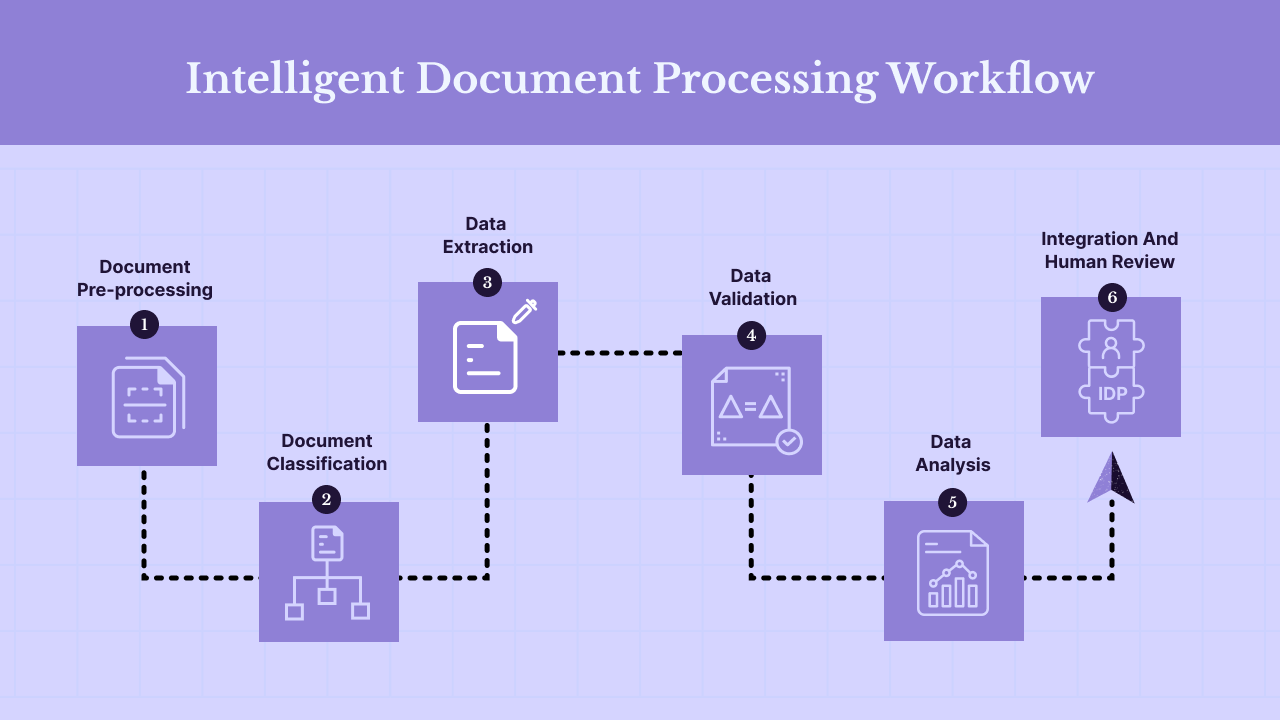
Automated document processing was deployed: the system parsed lease agreements, amendments and building certificates using NLP to extract key variables (rental escalation clauses, CPI adjustments, tenant options) thereby reducing manual analyst time. v7labs.com
-
Reinforcement models were used in the investment pipeline to score acquisition targets based on a large attribute set (micro-location data, building health, tenant risk). Firms like this capture value ahead of market peers. DigitalDefynd Education
-
-
Operational Integration
-
Results from AI models were integrated into a dashboard used by investment committees — allowing scenario simulation (e.g., which property to acquire, hold or dispose).
-
The workflow shifted from manual spreadsheets to “one-click” insights: valuations refresh automatically, levers recalc in real-time, allowing faster decision making and better portfolio responsiveness.
-
Governance processes were introduced: uncertainty bounds were surfaced, model assumptions reviewed quarterly and human oversight remained. This helped maintain trust and regulatory defensibility.
-
Results & Benefits
-
The firm reported valuation cycle times shortened by ~60 %. What previously took 3-4 weeks now required under a week for comparable assets.
-
Accuracy improved — by cross-validating model outputs against actual performance over 12-24 months, the firm achieved substantially smaller deviations versus legacy methods.
-
Acquisition success rate improved: the investment pipeline processed ~30 % more deals annually, thanks to faster screening and higher confidence in valuation inputs.
-
ESG and sustainability metrics became embedded: AI surfaced building health, energy inefficiencies and occupant risk earlier, enabling risk mitigation before acquisition. inrev.org
-
Operational cost savings: document analysis and data entry tasks dropped by ~50 %, freeing analysts for higher-value work like strategic review and client engagement.
Key Lessons & Best Practices
-
Start with data readiness: The quality and structure of data is the foundational constraint. Without reliable inputs, AI models under-perform.
-
Identify high-impact workflows first: Begin with core value-chain elements (valuation, underwriting) rather than cosmetic features (chatbots) for faster ROI.
-
Ensure human-in-the-loop: Even sophisticated models need oversight. Transparent assumptions, audit logs, and analyst review maintain credibility.
-
Build workflow integration not just models: AI must feed into decision contexts (dashboards, scenario planning) — models alone don’t create value.
-
Governance and ethics matter: With real estate tied to ESG, finance and regulation, firms must manage bias, explainability and operational risk from AI. solguruz.com
Why It Matters to Real Estate
For real-estate investors, brokers and managers dealing with rising volumes, tighter margins and greater expectations from tenants and stakeholders: AI provides a strategic lever. It helps accelerate decision-making, enhance precision, reduce cost and scale analytics across portfolios. As McKinsey states: the firms that harness AI are already gaining +10 %+ in operating income. mckinsey.com
How To Get Started
-
Audit your existing workflows: identify areas of high manual effort (lease-analysis, valuations, asset screening).
-
Build a pilot: choose one property class or region, deploy a document-processing + valuation model, measure results.
-
Establish metrics: reduction in cycle time, increase in pipeline throughput, accuracy improvement, cost savings.
-
Scale: integrate models, dashboards and governance into enterprise systems; expand asset classes and geographies.
-
Continuously improve: retrain models, refine data flows, and align AI tools with stakeholder needs.